
The Shiite Giant in Lebanon: An Apocalyptic Ending?

By Ola Rifai
The war with Iran has started, as anticipated. It is flaring up rapidly and fiercely. American and Israeli intentions to attack Iran were crystal clear, regardless of efforts at the diplomatic theatre. Both the United States and Israel are determined to shift geopolitical dynamics and reduce Iranian influence in the region. However, there is a dichotomy between their endgames.
The Israeli PM seeks to impose regime change and install a friendly government, while the U.S. aims to change the leadership within the regime. It would be similar to the Venezuelan scenario: removing the hawks and paving the way for moderate insiders who are willing to compromise. This may seem more achievable, particularly after the assassination of Supreme Leader Ayatollah Ali Khamenei and other hardliners.
Reza Pahlavi, the son of the last Shah, appears to be a plausible option for Netanyahu, but not for the Iranian people. Moreover, experiences in the region and beyond have shown that regime change cannot be imposed by rockets. Particularly, in the case of the Iranian regime, Wilayat al-Faqih, the Guardianship of the Jurist, is highly complex and difficult to dismantle.
So, although the U.S. and Israel agreed to start the war, claiming to have a solid plan for how to end it, the reality is far from that. And both countries could easily become embroiled in a prolonged conflict if they do not agree on the objectives they aim to achieve.
Western powers, including the UK, Germany, and France,e have declared their willingness to join the military operation. However, it is unlikely that this would provide enough momentum to eliminate the Shiite theocracy and achieve Israel’s objective of regime change through military force. Nevertheless, Israel might be able to do so in Lebanon, as circumstances there could pave the way for such an outcome.
The six rockets fired by Hezbollah early Monday marked a dangerous escalation and may alter the war’s trajectory significantly. Although the rockets landed in open spaces and caused no casualties, the incident provided the Israeli PM with a priceless gift.
Israel’s retaliation was rapid and devastating, heavily shelling southern Lebanon and Beirut’s Dahieh district. It marked the first direct violation of the U.S.-brokered ceasefire in November 2024. Since then, Hezbollah has not engaged in any confrontation despite ongoing Israeli strikes and the killing of many Hezbollah fighters, as well as civilians within its circles. It only decided to retaliate, framing its actions as revenge for the ‘pure blood’ of Khamenei.
Today, Hezbollah appears closer to collapse than ever before. Not only militarily, but politically and socially as well. The assassination of its long-time leader Hassan Nasrallah left a profound leadership vacuum. Nasrallah had cultivated a powerful personality cult around himself, and the organisation evolved heavily around his authority and charisma. And for many supporters, Nasrallah personified the party.
Regionally, Hezbollah has no allies; neither Iran nor Assad is there to the rescue. Domestically, criticism is mounting, even among its traditional support base. Frustration within its core Shiite constituency is increasingly visible and is justified.
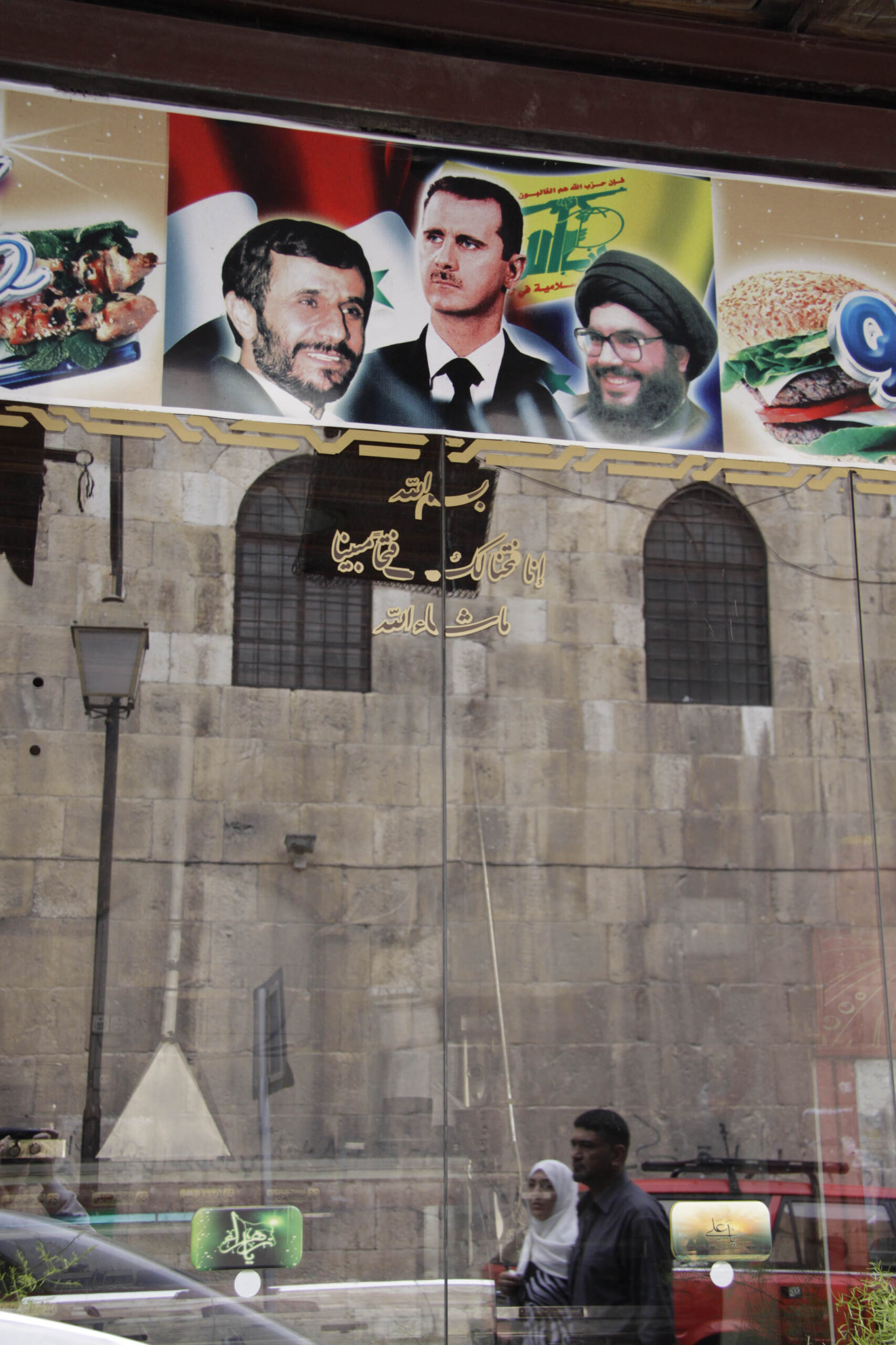
For many Lebanese Shiites, support for Hezbollah was never purely ideological or religious. It was rooted in survival. At a particular historical moment, Hezbollah provided social services, economic empowerment, and a sense of dignity to a long-marginalised community. Today, however, many feel it no longer delivers security or prosperity. Mass rallies, slogans, and portraits may project unity, but they conceal a growing crisis of trust between the party and its social base.
In this context, segments of Hezbollah’s political class and its broader Shiite environment may begin recalculating their position. A potential shift toward Amal Movement, led by Nabih Berri, appears plausible. Despite a long history of rivalry between Hezbollah and Amal, the latter may position itself as a state-oriented umbrella capable of facilitating de-escalation, gradual disarmament, and reintegration into Lebanon’s institutional framework.
Such a transition could contribute to rebuilding social cohesion and reducing sectarian polarisation within Lebanon and beyond. Alternatively, the conflict could spiral in the opposite direction, triggering broader sectarian fragmentation across the region.
Lebanese Shiites, like other religious communities in Lebanon, do not wish to endure further grievance and devastation. The Lebanese history demonstrates that militias rise and fall according to shifting political circumstances. The so-called al mared al shyy’ Shiite giant emerged from oppression, marginalisation, and also as a result of Israeli occupation. But over time, it became a source of domination, secterianisation and instability.
Hezbollah now faces extremely limited choices. and by launching those six rockets, it may have hammered the first nail into its own coffin. The decisive question is whether more moderate officials within the movement and the broader Shiite community will think rationally and rescue the community from this suicidal attempt. Or whether they will hammer the remaining nails in their coffin.
Picture source: Ola Rifai, Damascus 2008.